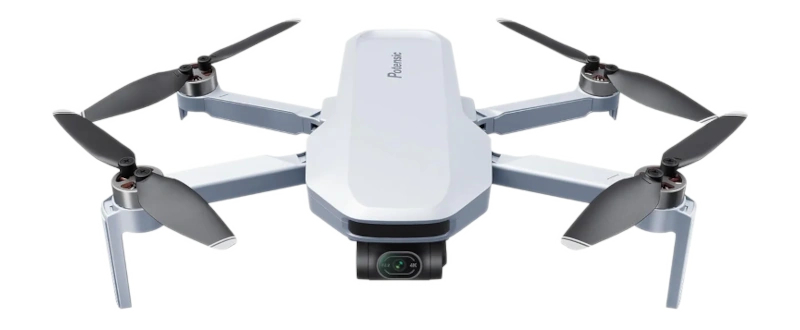
The Potensic ATOM SE is one of the best ways to start flying serious drones in 2026 without spending DJI money. At 249 g it skips US recreational registration, ships with brushless motors, GPS, Return-to-Home and a 31-minute flight time, and trades polished image quality for a beginner-friendly price tag. A 1/3-inch sensor and 2-axis stabilisation are clear compromises, but for first flights they are sensible ones.
The Potensic ATOM SE has earned its place as a default recommendation for first-time adult drone pilots. It hits the right cluster of features: 249 g take-off weight, brushless motors, GPS positioning, Return-to-Home, a 31-minute rated flight time and a sub-USD-300 price tag. None of those features individually are unique, but bundling them this cheaply is. For someone who has never flown a real drone and does not want to start with a $750 DJI, the ATOM SE is a low-stress entry point that still teaches good habits.
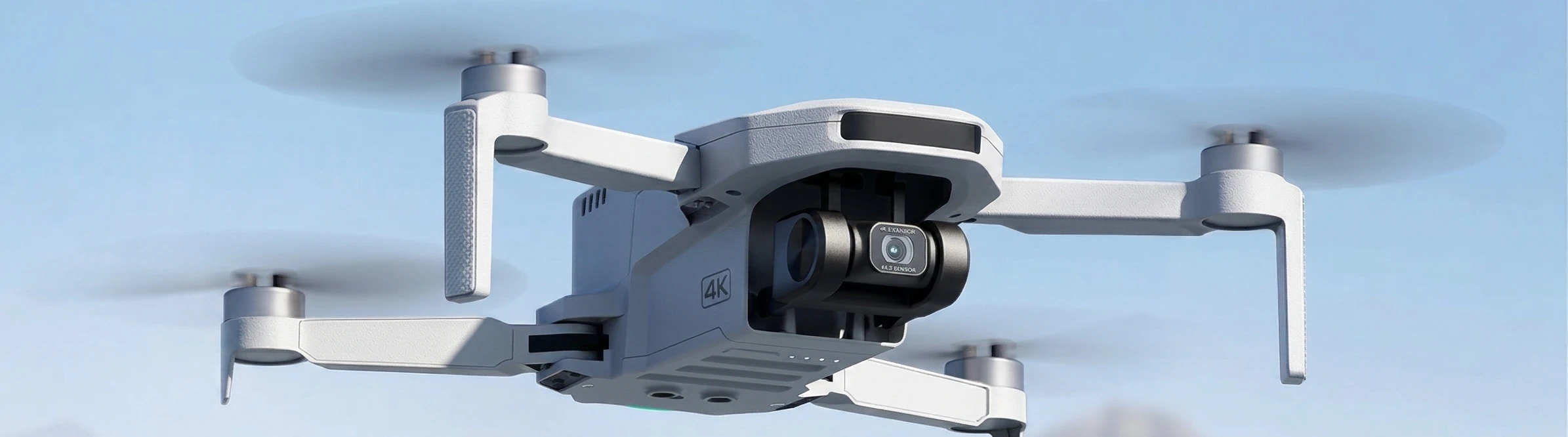
The ATOM SE uses a 1/3-inch CMOS sensor with an f/2.2 lens and a wide 118° field of view, recording up to 4K at 30 fps and 12 MP stills. ISO range is 100 to 6400 and the live feed is 720p. In bright daylight footage looks acceptable for casual social posts, but the small sensor combined with 2-axis mechanical stabilisation means you will see micro-jitter in gusty conditions and noticeable noise when the light drops. Treat the camera as a bonus, not the main reason to buy.
Flight time tops out at 31 minutes per 2500 mAh battery (one of the longest in the category), top speed is 16 m/s and wind resistance is rated at Beaufort level 5. Transmission distance is 4 km (2.49 mi) on paper, in real life you will fly at far shorter ranges. GPS and GLONASS positioning give the airframe a solid hover and reliable Return-to-Home on signal loss or low battery, which is exactly the safety net beginners need.
The feature list is intentionally simple: GPS positioning, automatic Return-to-Home, Follow-Me, headless mode, altitude hold and Beginner mode that caps speed and ceiling. There is no obstacle avoidance and no Waypoints. The Potensic app handles flight settings and live feed cleanly enough, although it lacks the polish of DJI Fly. Beginner mode is genuinely useful, leave it on for the first few packs and you will avoid most expensive mistakes.
If you are choosing between the two entry models in the line:
For most buyers the ATOM 4K is the better deal, the 3-axis gimbal alone is worth the small price bump. Pick the ATOM SE only if you find it heavily discounted or want the absolute simplest possible starter drone.
In the United States the ATOM SE weighs 249 g, just under the 250 g recreational threshold, so hobby pilots are not required to register the airframe with the FAA. Commercial operations under Part 107 still require a Remote Pilot Certificate, and Remote ID rules apply when flying in regulated airspace. The ATOM SE has historically received Remote ID firmware updates, confirm you are running the latest firmware before flying.
The ATOM SE is the right pick for first-time pilots who want to learn on a real GPS drone without a DJI budget, parents buying a starter drone for an adult kid, and travellers who want a cheap secondary airframe to risk on coastal or desert shoots. It is the wrong pick for serious creators, the small sensor and 2-axis gimbal will frustrate quickly. For more first-drone options see our best beginner drone roundup.
The Potensic ATOM SE is a sensible, honest starter drone. It will not produce DJI-grade footage and it is not the prettiest of Potensic's models, but it covers the four things a beginner actually needs (sub-250 g weight, brushless motors, GPS, Return-to-Home) at a price that is hard to beat. Just be aware that the very similar ATOM 4K usually offers better value once stocks of the SE thin out.
For purely recreational flight no FAA registration is required because the ATOM SE weighs 249 g, just under the 250 g threshold. Commercial use under FAA Part 107 still requires a Remote Pilot Certificate, and Remote ID rules apply when flying in regulated airspace.
Both share the same 249 g airframe and 1/3-inch sensor. The ATOM 4K upgrades to a 3-axis mechanical gimbal (vs 2-axis on the SE), full GNSS with Galileo and BeiDou (vs GPS and GLONASS only) and longer 6 km transmission (vs 4 km on the SE). The SE is the cheaper, simpler starter drone.
Yes. The ATOM SE is one of the most popular first drones for adults precisely because it pairs brushless motors, GPS positioning, Return-to-Home and Beginner flight modes with a sub-USD-300 price tag. The 31-minute flight time per battery is generous for the category.
Up to 31 minutes per 2500 mAh battery in optimal conditions. With wind, recording and active GPS positioning, expect roughly 24 to 27 useful minutes per pack.
It records 4K at 30fps to the internal pipeline, but uses a small 1/3-inch sensor and 2-axis stabilisation, so do not expect DJI-grade image quality. Footage looks good in bright daylight, less so in low light or windy conditions where the 2-axis gimbal needs to lean on electronic stabilisation.
It is rated for Beaufort level 5 wind (about 8.0 to 10.7 m/s). For a 249 g drone that is a strong rating, but 2-axis stabilisation means choppier footage in gusts than a 3-axis-gimbal drone.
| Name | Potensic ATOM SE |
| Gimbal | 2-axis |
| Image Sensor | 1/3-inch CMOS |
| FOV | 118° |
| Effective Pixels | 12 MP |
| Aperture | f/2.2 |
| Video Resolution | 4K/30fps |
 | |
| Sensor size | 1/3-inch (4.8 x 3.6 mm) |
| Live-Feed | 720P |
| ISO Range | 100 ~ 6400 |
| Weight | 249g / 8.8oz |
| Width | 210mm / 8.3-inch |
| Release date | 2022-10-01 |
| Drone Price | USD 280 to 390 |
| Battery | 2500 mAh |
| Max Transmission Distance | 4.0 km (2.49 mi) |
| Wind Speed Resistance | Level 5 |
| Flight Time | 31 min. |
| Max Speed | 16 m/s |
| GNSS | GPS, GLONASS |
| Features | Follow-Me |