
Ranked by what each dollar actually buys you
Every drone here was priced on launch day, sale events and the current street price — so the ranking reflects what you actually pay at the cart, not what the MSRP marketing materials list. Some outbound links are affiliate links.
Links marked with * are affiliate links that take you directly to the respective drone. If you purchase through them, we may earn a small commission — at no extra cost to you.
Top-10 Best Value Drones
The best drones for the money — sub-250g mini drones ranked by value-for-money in 2026. Some outbound links are affiliate links.
Some buttons contain affiliate links (no extra cost to you)
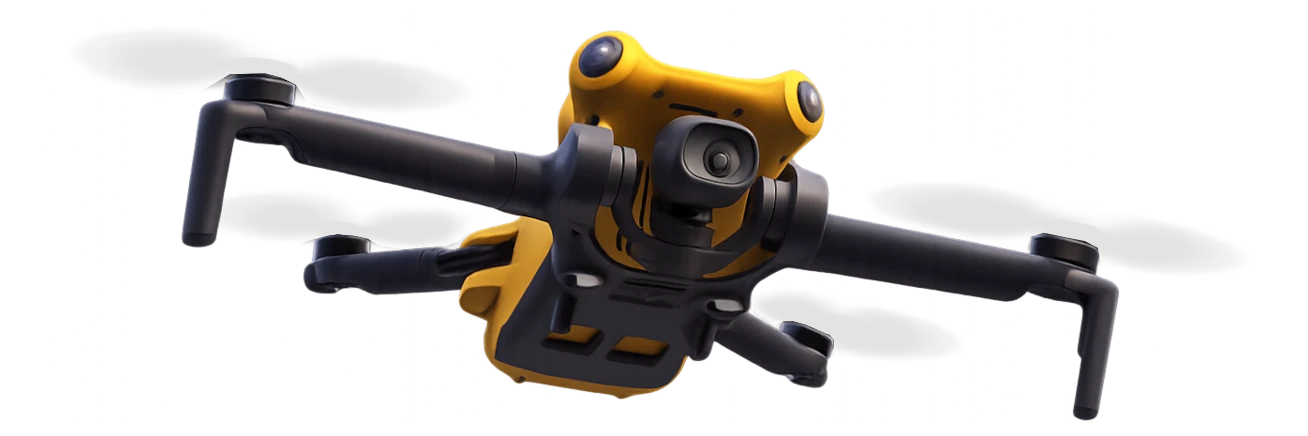
The value sweet spot of this comparison — at $599 the Skyrover X1 brings 10 km transmission, a 1/1.32-inch 48MP sensor and 32-min flight time, undercutting the DJI Mini 5 Pro by $160 while matching most of its core specs.
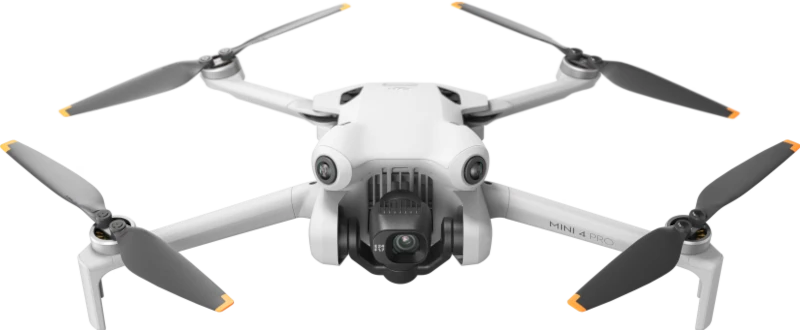
It is nearly identical to the DJI Mini 4 Pro in terms of design and feature set, making it a highly compelling alternative. Overall, it’s a powerful, modern drone with excellent value. An easy recommendation for anyone looking to get high-end features without paying premium prices.
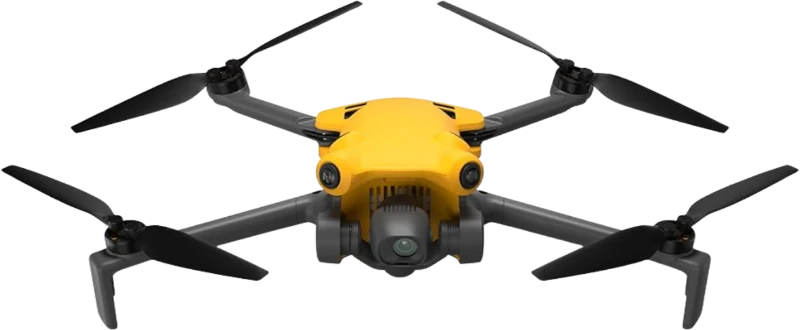

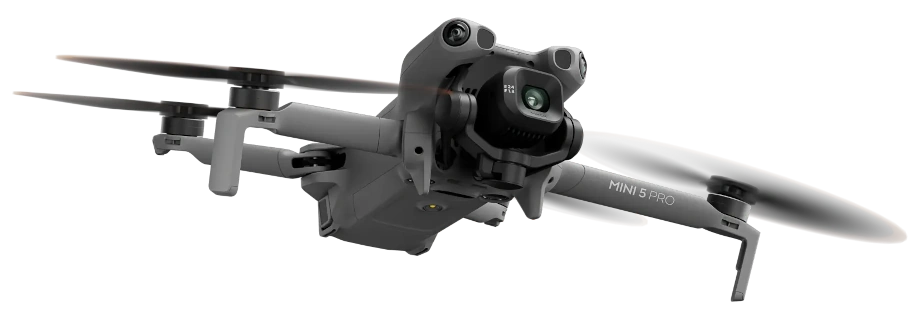
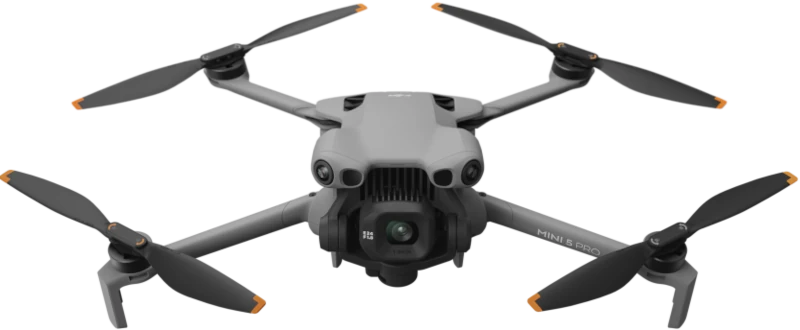
Premium money but the only sub-250g drone with a 1-inch sensor and lossless zoom — the DJI Mini 5 Pro at $759 prices like a flagship because it shoots like one. Value if image quality is non-negotiable.
The DJI Mini 5 Pro is not just an upgrade—it’s a game changer in the sub-250g category. With industry-leading low-light performance, pro-level features, and extended flight time, it delivers everything you need to elevate your aerial content.
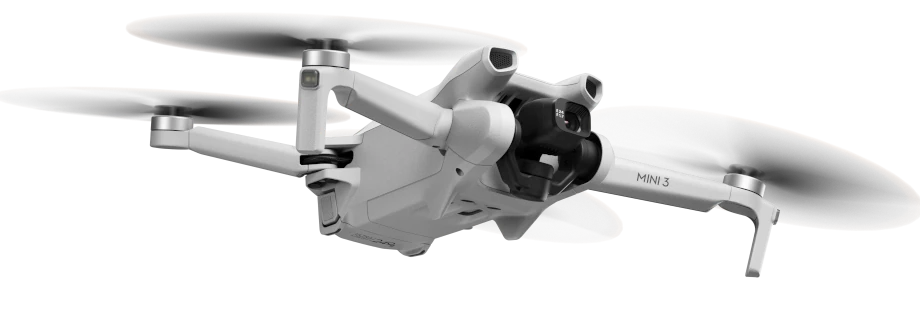
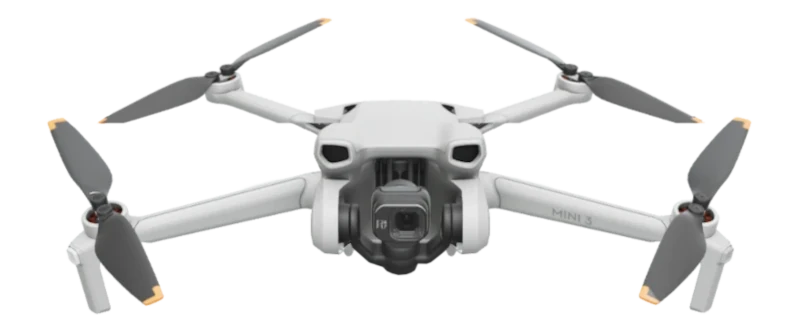
An aging price point — at $419 the DJI Mini 3 is now more expensive than newer rivals like the FIMI Mini 3, with no obstacle sensing to justify the markup. Only worth it on sale.
However, it’s already showing its age. It lacks features like obstacle avoidance and advanced shooting modes found in newer models, and availability is becoming limited as it’s gradually replaced.
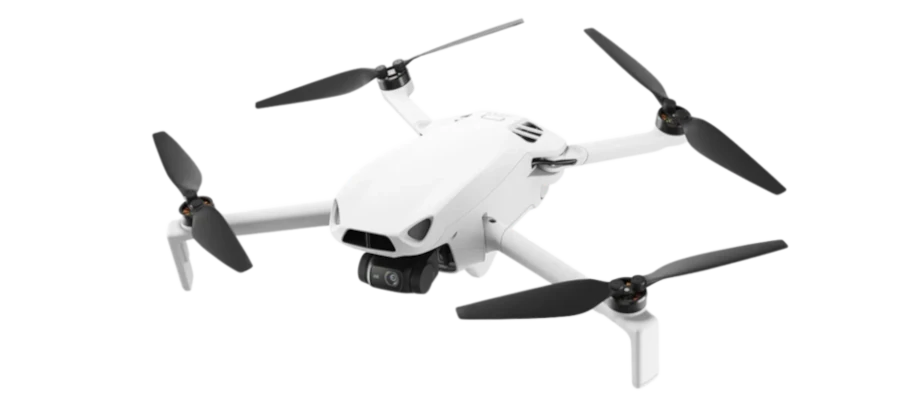
Best feature-per-dollar in the entry tier — under $300 buys you a 4K/60fps gimbal, GPS hold, obstacle detection and follow-me with the Skyrover S1. The same shopping list at DJI starts around $700.
However, questions remain around refinement and positioning. While it closely follows DJI’s design and software approach, there is no confirmed official connection to DJI, despite ongoing speculation about similarities. Overall, it’s a strong budget drone with excellent price-performance.
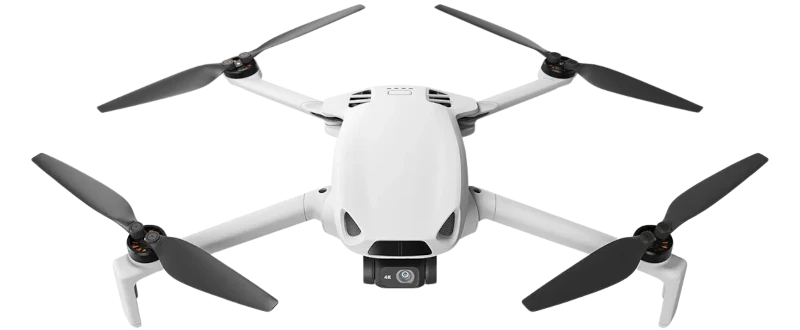
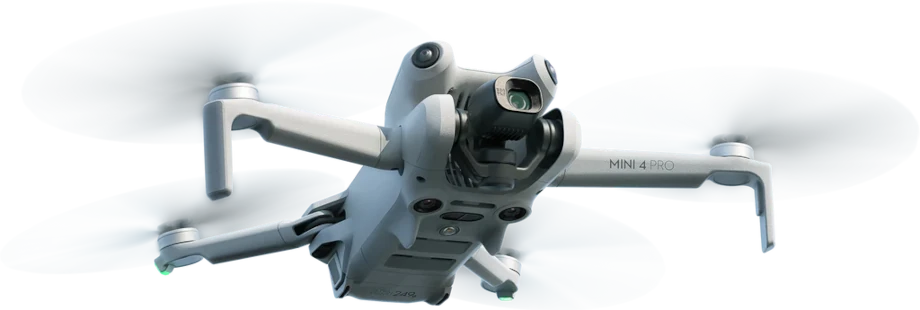
Still $759 in 2026, but the DJI Mini 4 Pro now goes head-to-head with newer rivals at $400-$600 that match its smart features. Best value when it drops to the $629 sale price; full sticker is questionable.
While it’s now the second-best choice behind the Mini 5 Pro, it still provides everything most users could ever need. Overall, it’s one of the best drones in its class—an easy recommendation for near-professional results.
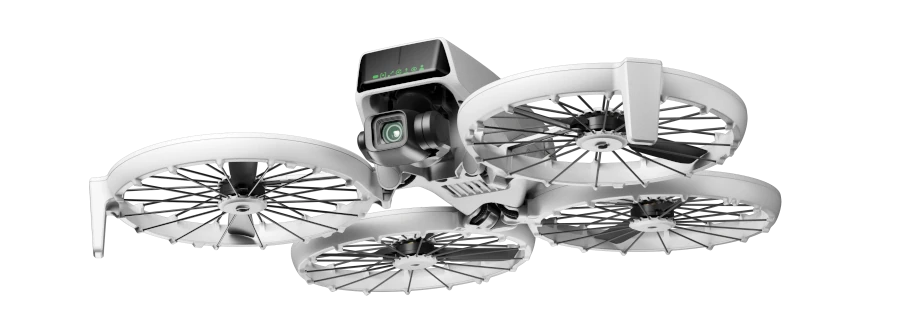
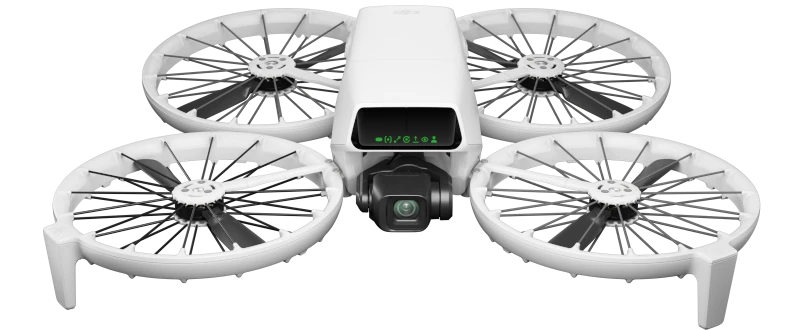
Pricier than its specs suggest at $439 — what you pay for with the DJI FLIP is the propeller guards and the gesture-control modes, not raw camera quality. Value depends on whether you actually need controller-free flying.
Overall, it’s a powerful and flexible drone with great value and unique usability—but slight compromises and noise keep it just below true premium level.
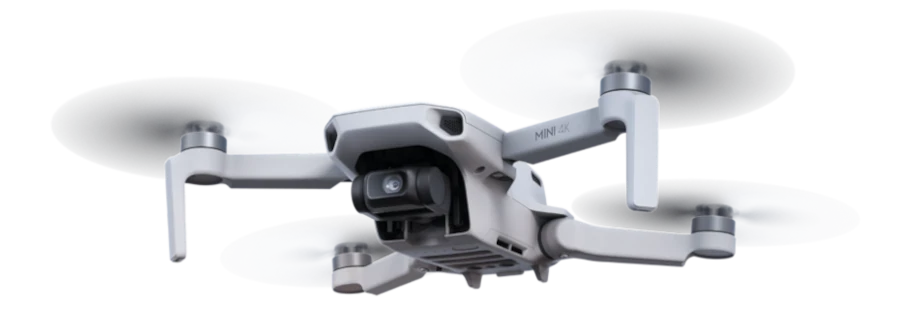
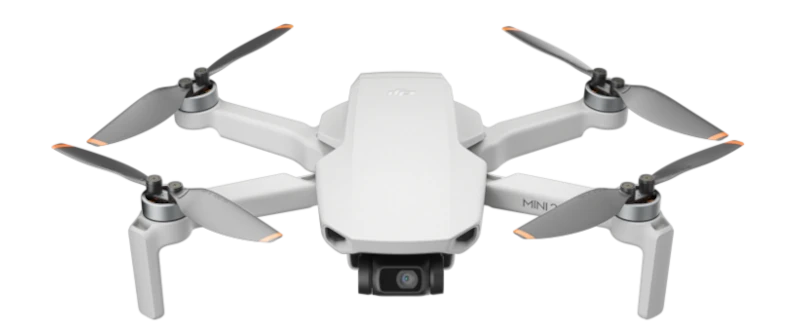
The lowest sticker price in the DJI catalogue at $249 — the DJI Mini 4K ships a 3-axis gimbal and 4K video and nothing else. Brutal value if you only need basics; brutal limitation the moment you outgrow them.
However, it is far from a professional tool. The small sensor limits dynamic range and low-light performance, and video quality, while stable, lacks the detail and flexibility expected by creators. Overall, it’s one of the best budget drones available, but clearly not designed for serious content creation.
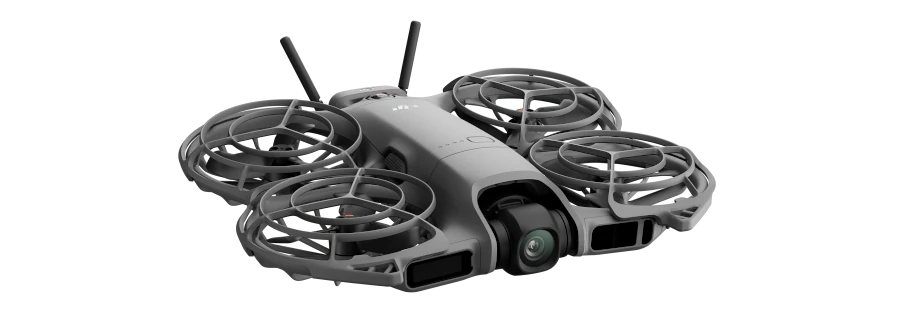
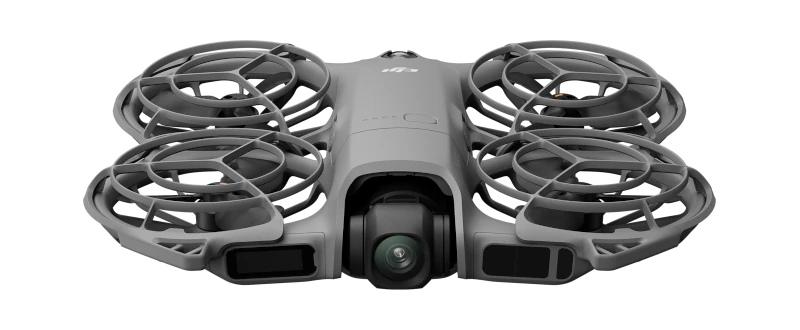
A 259-dollar drone that buys palm-launch hands-free flight, AI subject tracking and 4K/60fps — features that cost $400+ in DJI’s mainline mini drones. The DJI Neo 2 has the best dollar-per-smart-mode ratio on this list.
However, its design still comes with limitations. The drone is noticeably loud due to its compact build, and the 2-axis stabilization limits footage compared to traditional drones. Creative control remains restricted, and it’s still primarily designed for automated shots.

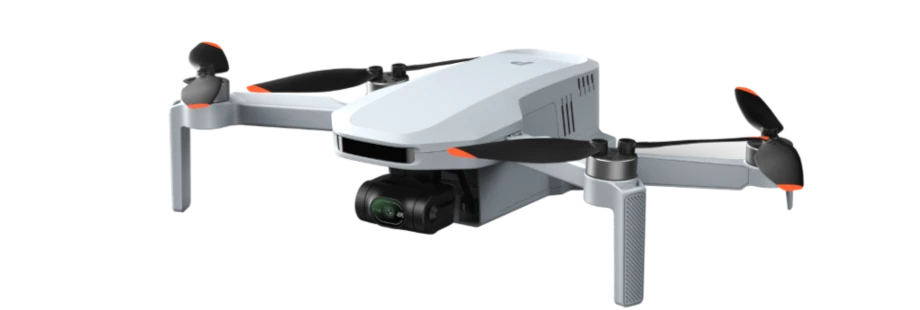
At $360 the Potensic ATOM 2 includes a real controller, a 3-axis gimbal and waypoint missions — package contents that match drones costing $200 more. The strongest box-contents value on the comparison.
However, image quality and overall refinement still fall slightly behind DJI, particularly in dynamic range and color processing. Overall, it’s a very capable drone for the price, but not quite on the same level as the top competitors.
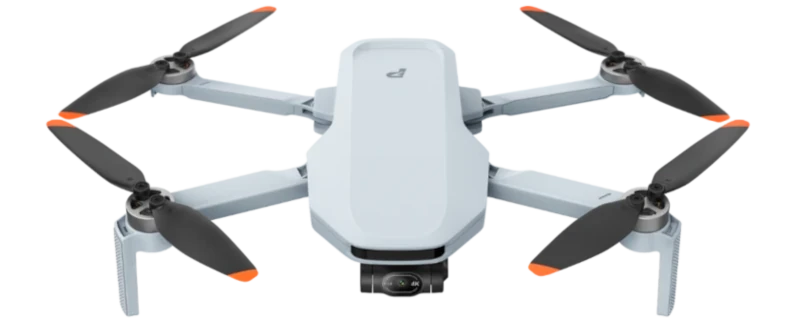

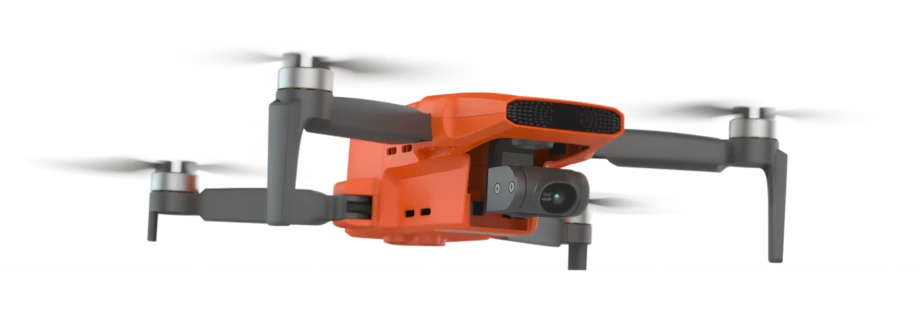
Roughly half the price of a comparable DJI Mini, yet you keep waypoints, hyperlapse, follow-me and Level 5 wind resistance. The FIMI MINI 3 is the right call when you want DJI-tier features without DJI-tier markup.
However, while it comes very close, it still falls slightly behind DJI in overall refinement, reliability, and color processing. Overall, it’s one of the best price-performance drones available and a genuine DJI alternative—with only minor compromises.
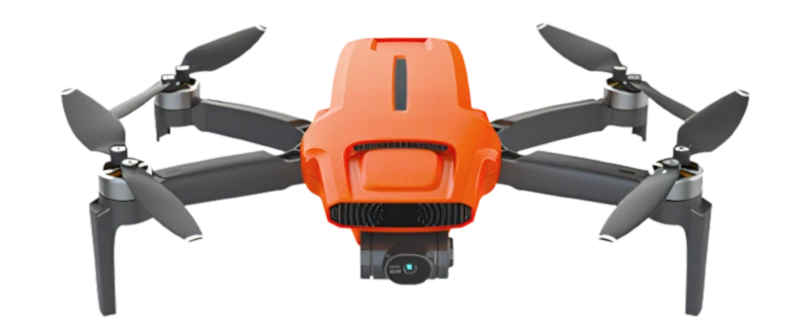
Specs Comparison Tool
Still undecided? Put any two drones head-to-head and let the specs decide.
Compare detailed specs, camera sensor size, flight time, and intelligent features – all in one place.
Drone A |
Drone B |
|---|
How to choose the right sub-250g drone in 2026
A short, no-fluff buyer’s guide based on hundreds of hours of side-by-side flight testing.
Camera & sensor size
Sensor size is the single biggest predictor of real-world image quality. A 1-inch sensor (DJI Mini 5 Pro) captures dramatically more light than the 1/2-inch and 1/2.3-inch sensors found in budget models — especially noticeable at sunrise, sunset and indoors. If aerial photography or video is your priority, prioritise sensor size over megapixels.
The sub-250g weight rule
Drones under 250 g fall into the lightest legal category in the EU (C0), the US (recreational FAA registration only at 250 g+), the UK (A1), Canada and Australia. That means less paperwork, fewer training requirements, and access to many areas off-limits to heavier drones. Every drone in our list stays under this 250 g threshold.
Obstacle avoidance & safety
Omnidirectional obstacle sensing turns a fragile mini-drone into a forgiving travel companion. Beginner-friendly models like the DJI Neo 2 and the new Mini 5 Pro automatically brake before trees, walls and people. Ultra-budget drones typically lack this entirely — consider that when comparing prices.
Flight time & transmission range
Manufacturer flight times are typically measured in lab-perfect, no-wind conditions. Expect ~75–80 % of the advertised number in real flight. Transmission systems (DJI’s OcuSync, Autel’s SkyLink) deliver a far more stable image and longer practical range than the Wi-Fi links on cheaper drones.
Travel & portability
Folded dimensions matter as much as weight when you’re packing for a trip. The HOVERAir X1 Pro disappears into a jacket pocket; the DJI Mini 5 Pro is larger but folds compact. Always check the lithium-battery rules of your airline — spares must travel in carry-on luggage.
Remote ID & registration
As of 2024, all consumer drones sold in the US must broadcast Remote ID. EU-class C0/C1 drones that are sold new include this by default. Most quality sub-250g drones we tested are fully compliant out-of-the-box — no add-on modules required.
Why you can trust this comparison
dronios is an independent drone-review platform run by hobby pilots and aerial-video professionals. We are not affiliated with DJI, Autel, FIMI, Skyrover, HOVERAir or any other manufacturer in this list.
Bought with our own money
Every drone you see ranked here was purchased at full retail price. We do not accept review units, sponsored placements, or pay-for-rank arrangements.
Tested side-by-side
We fly competing drones simultaneously from the same location, in the same light, against the same reference subject — the only way to make a comparison reflect reality, not a marketing brochure.
Editorial independence
Affiliate links may earn us a small commission at no extra cost to you, but they never alter our scoring. Brands cannot pay to be added, removed, or moved up the list.
Frequently Asked Questions
The questions our readers ask most often about choosing a sub-250 g drone.
What does “sub-250g” mean — and why does it matter?
A sub-250 g drone weighs less than 250 grams (8.8 oz) ready-to-fly with battery. This weight class is the lightest legal category in nearly every country: in the EU it’s C0, in the US the FAA does not require recreational registration, and in the UK it qualifies for the simplest A1 sub-category. Less paperwork, no pilot certification required in most jurisdictions, and access to a wider range of flight zones.
Do I need a license or training to fly a sub-250g drone?
For purely recreational flying, most countries do not require a pilot certificate at this weight class. The EU still requires you to register as an operator (free, online) and to complete a short A1/A3 online quiz. The US FAA TRUST test (free, ~30 min) is required for all recreational pilots regardless of weight. For commercial use, additional licensing applies in most countries.
Which drone under 250g is best in 2026?
Our 2026 Editor’s Choice is the DJI Mini 5 Pro: a 1-inch sensor, 4K/120 fps, omnidirectional obstacle sensing and the strongest transmission system in this weight class. The Skyrover X1 wins our Value award — very similar specs at roughly half the price. For complete beginners or content creators who never want to manually fly, the DJI Neo 2 is the safest, most foolproof option.
Are budget drones (under $300) worth it?
Yes, with realistic expectations. Models like the DJI Mini 4K and Skyrover S1 deliver respectable 4K video and stable GPS-assisted flight at half the price of their flagship siblings. The compromises are smaller sensors (visible in low light), shorter transmission range, and missing obstacle avoidance. For casual travel video and learning the basics, they remain excellent value.
How long can a sub-250g drone actually stay in the air?
Manufacturers typically claim 30–36 minutes per battery in lab conditions (no wind, hover only). Real-world flight is usually 22–28 minutes, depending on temperature, wind and how aggressively you fly. A second battery is the single most useful accessory for any drone in this class.
Can I take a sub-250g drone on a plane?
Yes — in nearly all cases. The drone itself can travel in either checked or carry-on luggage, but lithium-polymer batteries must travel in carry-on, in the original packaging or a battery-safe pouch. Most airlines limit you to two spare batteries under 100 Wh, which covers every drone in our list. Always check your specific airline’s rules before flying.
What is Remote ID and does my drone need it?
Remote ID is a low-power broadcast that transmits your drone’s position and the operator’s registration ID, similar to a digital licence plate. It is mandatory in the US for almost all consumer drones, and is built into every EU-class C0/C1 drone shipped after 2024. Every model we currently recommend ships with Remote ID compliance out-of-the-box.
Where can I buy these drones at the best price?
Each drone in our ranking links directly to its current listing on Amazon, where pricing is competitive and consumer protection is strongest in most regions. We update our pricing data regularly, but Amazon prices fluctuate — the live page always shows the most current offer. As an Amazon Associate, dronios earns from qualifying purchases at no extra cost to you.
How often is this list updated?
We refresh the rankings whenever a major new sub-250 g drone is released, and at minimum every quarter. Discontinued models are removed; new flagships are flown side-by-side against the current Editor’s Choice before being added. The last full review pass was 2026.