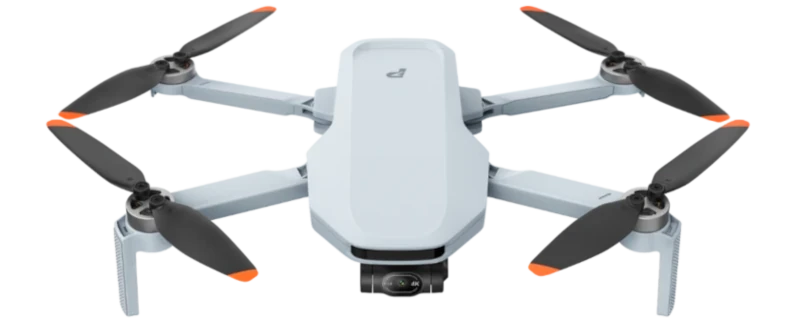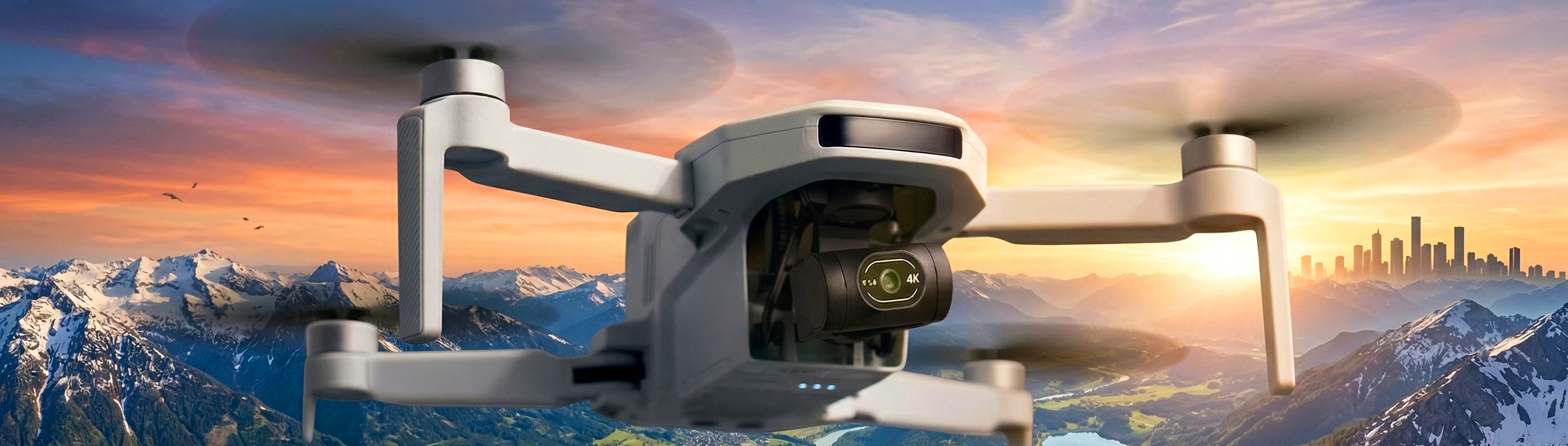
The Potensic ATOM 2 is the boldest sub-250 g drone Potensic has shipped. It pairs a 1/2-inch CMOS, f/1.8 lens, 48 MP stills, 4K/30 fps video and a claimed 10 km transmission with a 3-axis mechanical gimbal, all at 249 g and a price well below a DJI Mini 4 Pro. The app is still less polished than DJI Fly, but on hardware the gap is smaller than ever.
The Potensic ATOM 2 is the first ATOM that does not feel like a budget compromise. The original ATOM 4K hit a great price-to-features ratio, the ATOM 2 jumps the camera up to a 1/2-inch sensor with an f/1.8 lens and 48 MP stills, then pushes claimed transmission distance from 6 km to 10 km. It still weighs the magic 249 g, still uses a 3-axis mechanical gimbal, still flies for 32 minutes per battery, but now the camera output is meaningfully closer to a DJI Mini, not a 1/3-inch budget chip pretending otherwise.
The 1/2-inch CMOS sensor is the headline change. With an f/1.8 aperture, a 26 mm equivalent focal length and a 79.4° field of view, the ATOM 2 captures 4K at 30 fps and 48 MP stills with much more usable detail than the ATOM 4K. ISO range is 100 to 6400 and the live feed steps up to 1080p/30 (vs 720p on the original). In good daylight footage looks crisp and well-exposed, in shaded or overcast scenes the bigger sensor and brighter lens deliver noticeably cleaner shadows than the older model.
Flight time is rated at 32 minutes per 2230 mAh battery, top speed is 16 m/s and wind resistance is rated at Beaufort level 5. The big upgrade for cinematic flying is the 10 km claimed transmission distance, which in practice means a much more reliable link at the typical few-hundred-metre ranges most pilots actually fly. The airframe is composed in moderate gusts and Return-to-Home triggers cleanly thanks to GPS, GLONASS, BeiDou and Galileo support.
Automated modes include Waypoints and Follow-Me, plus a small set of cinematic shortcuts in the Potensic app. There is no obstacle avoidance, the ATOM 2 is built for open spaces and disciplined flying rather than dense forest follow shots. The mobile app is functional and improved versus older Potensic releases, but it is still behind DJI Fly in stability and overall polish.
If you already own an ATOM 4K the upgrade picture is clear:
If image quality and link reliability matter to you, the ATOM 2 is worth the premium. If you only fly in bright daylight at short ranges, the ATOM 4K still gets the job done for less.
In the United States the ATOM 2 weighs 249 g, just under the 250 g recreational threshold, so hobby pilots are not required to register the airframe with the FAA. Commercial operations under Part 107 still require a Remote Pilot Certificate, and Remote ID rules apply when flying in regulated airspace.
The ATOM 2 is the right pick for hobby pilots and travellers who want most of a DJI Mini 4 Pro's camera capability without the DJI price tag, second-drone owners who want a capable backup body, and creators who lean on stills as well as video. It is the wrong pick if you fly in cluttered environments where obstacle avoidance is a requirement, look at a DJI Mini there. For more options see our best drone for the money roundup.
The Potensic ATOM 2 is the most well-rounded sub-250 g drone Potensic has ever shipped. It does not unseat a DJI Mini 4 Pro for serious creators, but on raw hardware-per-dollar it has never been closer. For anyone who wants a real camera drone in their carry-on without spending DJI money, the ATOM 2 is now the clear pick in the Potensic line-up.
The ATOM 2 jumps from a 1/3-inch sensor to a 1/2-inch CMOS, lifts the aperture from f/2.2 to f/1.8 and ups stills from 12 MP to 48 MP. Live feed moves to 1080p/30 (vs 720p) and claimed transmission distance grows from 6 km to 10 km, while keeping the same 249 g weight, 32-min flight time and 3-axis gimbal.
For purely recreational flight no FAA registration is required, the ATOM 2 weighs 249 g, just under the 250 g threshold. Commercial operations under FAA Part 107 still require a Remote Pilot Certificate and Remote ID rules apply when flying in regulated airspace.
The ATOM 2 closes much of the hardware gap on paper (1/2-inch sensor, 48 MP, f/1.8, 3-axis gimbal, 32-min flight, 10 km claim) at a much lower price than a Mini 4 Pro. DJI still wins on app polish, OcuSync transmission reliability, omnidirectional obstacle sensing and overall image processing.
Up to 32 minutes per 2230 mAh battery in optimal conditions. With wind, recording and active GPS positioning, plan on roughly 25 to 28 useful minutes per pack.
No. The ATOM 2 does not include omnidirectional obstacle sensing. It does carry full GNSS positioning (GPS, GLONASS, BeiDou and Galileo) plus automatic Return-to-Home, but you still need to fly it actively in cluttered environments.
It is rated for Beaufort level 5 wind (about 8.0 to 10.7 m/s), which is good for a sub-250 g drone. Coastal and alpine pilots should still keep an eye on gust forecasts.
| Name | Potensic ATOM 2 |
| Gimbal | 3-axis |
| Image Sensor | 1/2-inch CMOS |
| FOV | 79.4° |
| Effective Pixels | 48 MP |
| Equivalent Focal Length | 26 mm |
| Aperture | f/1.8 |
| Video Resolution | 4K/30fps |
 | |
| Sensor size | 1/2-inch (6.4 x 4.8 mm) |
| Live-Feed | 1080p/30fps |
| ISO Range | 100 ~ 6400 |
| Weight | 249g / 8.8oz |
| Width | 210mm / 8.3-inch |
| Release date | 2025-02-01 |
| Drone Price | USD 360 to 486 |
| Battery | 2230 mAh |
| Max Transmission Distance | 10.0 km (6.21 mi) |
| Wind Speed Resistance | Level 5 |
| Flight Time | 32 min. |
| Max Speed | 16 m/s |
| GNSS | GPS, GLONASS, BeiDou, Galileo |
| Features | Waypoints, Follow-Me |