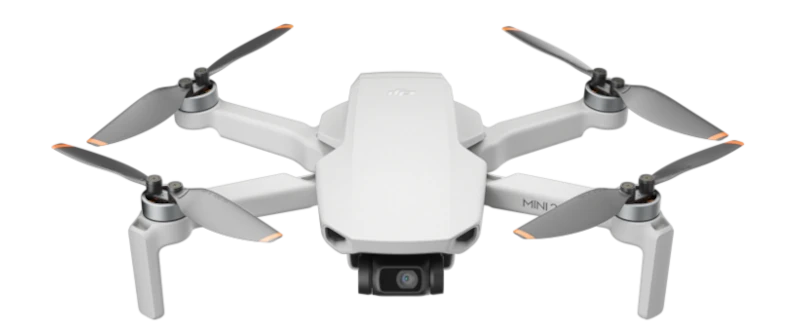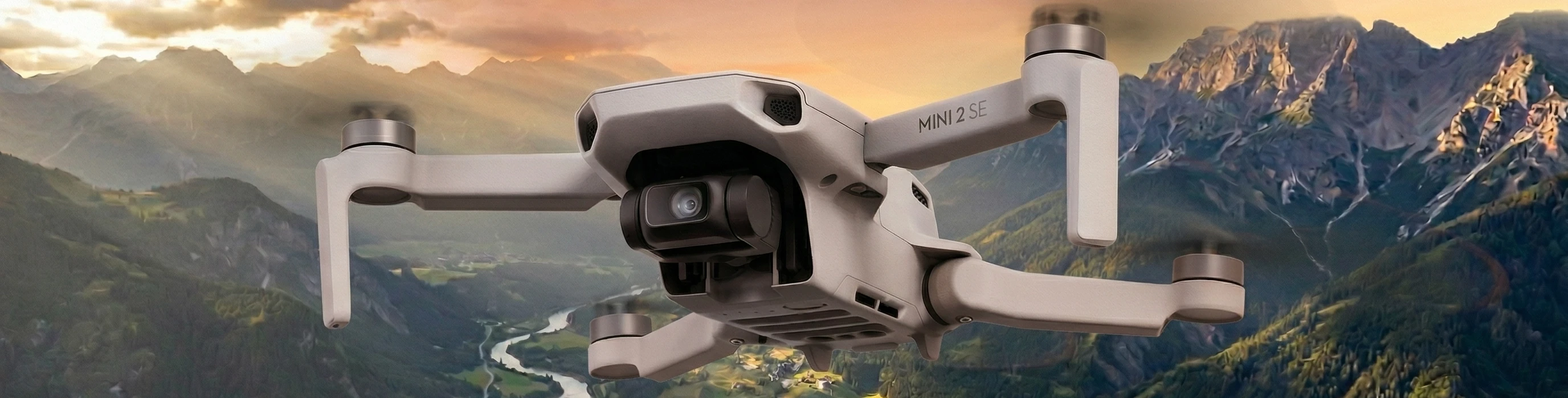
The DJI Mini 2 SE is the cheapest way into the modern DJI ecosystem with a real 3-axis gimbal, 2.7K/30 fps video and 34-minute flight time, all in a 246 g airframe that skips US recreational FAA registration. It is the obvious first drone for travelers, students and parents who want forgiving handling and a confident, predictable flight envelope.
The DJI Mini 2 SE is built around a single design choice: take the proven Mini 2 airframe, remove the complexity that scares first-time pilots, and ship it at a price point closer to a smartphone gimbal than to a Pro-class drone. At 246 g it slides under the FAA's 250 g recreational threshold and the EU's A1 sub-category, so most hobby pilots can fly without registering or paying for a remote pilot exam. For travel creators and weekend flyers who want a 3-axis-stabilised aerial camera without bringing the bulk and paperwork of a Mavic, the Mini 2 SE remains the easiest yes in the line-up.
The Mini 2 SE pairs a 1/2.3-inch CMOS sensor with a 24 mm equivalent f/2.8 lens and a true 3-axis mechanical gimbal. Video tops out at 2.7K/30 fps, with 12 MP stills in JPEG and the option of single-shot RAW for editors who want a little extra grading headroom. Resolution is the obvious trade-off versus the 4K Mini 3 and Mini 4 Pro, but in good daylight the footage is clean, colours are recognisably DJI, and the gimbal delivers the smooth horizon that makes mini-drone footage usable for social-media reels and travel vlogs straight out of the camera.
Flight time is rated at up to 34 minutes per battery in optimal conditions; in real-world use with light wind and active flying, plan on 26 to 30 useful minutes. Top speed in Sport mode is 15 m/s and wind resistance sits at Beaufort Level 5 (about 10.7 m/s), which is enough for most coastal travel shoots. OcuSync transmission keeps the 720p live feed clean out to 6 km in clear conditions, well beyond visual line of sight, and GNSS uses GPS, BeiDou and Galileo simultaneously for fast lock and reliable Return-to-Home.
Single-tap creative tools include QuickShots (Dronie, Helix, Rocket, Circle, Boomerang) and 180/sphere panoramas, so non-editors can still produce shareable clips. There are no forward, backward or lateral obstacle sensors, which is the main thing pilots upgrade for; a downward vision system handles stable hovering and precise landing. Safety features include automatic Return-to-Home on signal loss or low battery, geofencing around airports, and DJI's standard altitude and distance limits configurable in the DJI Fly app.
The Mini 3 is the natural step up if your budget allows it. The decision usually comes down to image quality and night-flying needs:
If you mostly shoot in good daylight and want the cheapest serious DJI drone, the Mini 2 SE is the right call. If you expect to film during golden hour or need true 4K for a YouTube channel, see our full DJI Mini 3 review for the next step up.
In the United States, the Mini 2 SE qualifies for the under-250 g recreational exemption at 246 g, so hobby flyers do not have to register the airframe with the FAA. Commercial pilots flying under Part 107 still need a Remote Pilot Certificate regardless of weight, and Remote ID broadcasting is required for most outdoor flights. Earlier Mini 2 SE units shipped without built-in Remote ID and need an external broadcast module to comply; check your firmware and add a module if your serial does not include native Remote ID. EU pilots can typically operate the Mini 2 SE in the A1 sub-category, subject to local registration of the operator (not the aircraft) in most member states.
The Mini 2 SE is the right pick for first-time drone pilots, weekend travelers and parents buying a kid's first serious drone. It is also a sensible backup body for content creators who already own a Pro-class DJI and want a cheap second airframe to throw in a backpack. It is not the right tool for low-light filmmakers, real-estate pros who need 4K for client deliverables, or anyone planning to fly in tight forest or urban environments where obstacle avoidance matters. For those use cases, see our best beginner drone guide for alternatives or jump to the Mini 3.
The DJI Mini 2 SE remains the most accessible way into the sub-250g DJI ecosystem in 2026. Newer Minis have moved the ceiling, but the Mini 2 SE moves the floor: at around USD 299 it gives you a 3-axis gimbal, 2.7K video, 34-minute flights and OcuSync transmission with no FAA paperwork. For first-time pilots and travelers on a budget, that combination is still hard to beat.
For purely recreational flight no FAA registration is required as long as take-off weight stays under 250 g, which the Mini 2 SE does at 246 g. Commercial flights under FAA Part 107 still require registration regardless of weight, and Remote ID rules apply to most outdoor flights.
DJI rates the Mini 2 SE at up to 34 minutes per battery in optimal conditions. In real-world use with light wind and active flying, expect roughly 26 to 30 minutes of usable flight time per pack.
The Mini 3 jumps to 4K/30fps video, an f/1.7 aperture and a larger 1/1.3-inch sensor with significantly better low-light performance. The Mini 2 SE remains a smarter pick if budget is the priority and 2.7K is enough for your edits.
DJI rates the Mini 2 SE for Level 5 winds (about 10.7 m/s). It holds position confidently in moderate breezes and is generally fine for coastal travel shoots, but gusty alpine conditions still demand caution.
No, the Mini 2 SE does not include forward, backward or lateral obstacle sensors. It does have a downward vision system for stable hovering and precise landing, so visual flying discipline matters more than on Pro models.
Pricing typically runs from around USD 299 for the standard kit to USD 449 for the Fly More Combo with extra batteries, propellers and a charging hub.
| Name | DJI Mini 2 SE |
| Gimbal | 3-axis |
| Image Sensor | 1/2.3-inch CMOS |
| FOV | 83° |
| Effective Pixels | 12 MP |
| Equivalent Focal Length | 24 mm |
| Aperture | f/2.8 |
| Video Resolution | 2.7K/30fps |
 | |
| Sensor size | 1/2.3-inch (6.17 x 4.55 mm) |
| Live-Feed | 720p/30fps |
| ISO Range | 100 to 3200 |
| Weight | 246g / 8.7oz |
| Width | 203mm / 8-inch |
| Release date | 2023-03-01 |
| Drone Price | USD 299 to 449 |
| Battery | 2250 mAh |
| Max Transmission Distance | 6.0 km (3.73 mi) |
| Wind Speed Resistance | Level 5 |
| Flight Time | 34 min. |
| Max Speed | 15 m/s |
| GNSS | GPS, BeiDou, Galileo |
| Features | QuickShots, Panorama, Downward Vision |